

Natural Ways to Increase GLP-1 Levels: A 2026 Guide
Table of Contents
- What Is GLP-1 and Why Your Body Needs It
- Foods That Increase GLP-1 Naturally
- Metabolic Health and GLP-1: Lifestyle Strategies
- Dyglofit Benefits for Metabolism and GLP-1
- Herbal Supplements and Natural Constituents
- Foods to Avoid for Stable Blood Sugar
- Practical Meal Planning for GLP-1 Support
- Frequently Asked Questions
Last Updated: September 18, 2026
What Is GLP-1 and Why Your Body Needs It
Glucagon-like peptide-1 (GLP-1) is a hormone your gut naturally produces when you eat, especially protein and fiber. It signals your brain that you're full, slows digestion, and helps regulate blood sugar. When GLP-1 levels are healthy, you eat less without feeling deprived. Your appetite quiets down. Food cravings fade. (Source: short-chain fatty acids (SCFAs), which directly stimulate GLP-1 secretion)
The problem: as we age, particularly after 40, natural GLP-1 production often declines. You feel hungrier. Portions that once satisfied you no longer do. That constant pull toward food, what people call "food noise", becomes harder to ignore. Your metabolism shifts. Weight creeps up despite eating the same way you always have.
This is where understanding how to naturally increase GLP-1 levels becomes critical. You don't need pharmaceutical interventions to restore what your body is designed to do. The right foods, lifestyle habits, and targeted support can reactivate your body's own appetite-control system.
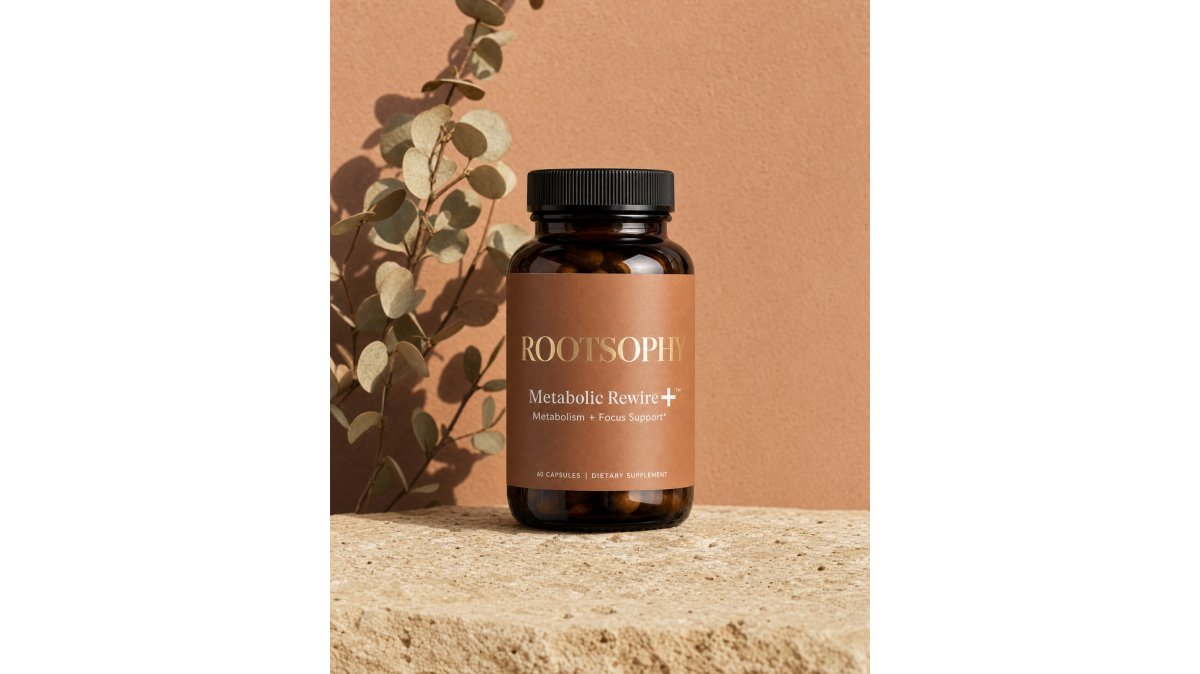
At ROOTSOPHY, we've spent years researching how to support this natural process. Our Metabolic Rewire formulas use Dyglofit®, a West African botanical extract clinically shown to increase natural GLP-1 levels by up to 294.7%. But before reaching for a supplement, understand what your body can do on its own through strategic eating and living habits.

Foods That Increase GLP-1 Naturally
The foods you choose directly influence how much GLP-1 your gut produces. Certain nutrients trigger stronger secretion than others. The goal isn't restriction, it's strategic selection of foods that work harder for your appetite control.
Fiber-Rich Foods and Whole Grains
Dietary fiber is one of the most powerful GLP-1 activators. When fiber reaches your colon, your gut bacteria ferment it and produce short-chain fatty acids (SCFAs), which directly stimulate GLP-1 secretion (Dietary Fiber and Glucagon-Like Peptide-1 Receptor Agonists in Obesity Management). This is why high-fiber meals create lasting fullness.
Whole grains like oats, barley, and brown rice deliver both soluble and insoluble fiber. Legumes, lentils, chickpeas, black beans, are fiber powerhouses that also provide lean protein. Vegetables like broccoli, Brussels sprouts, and artichokes are particularly effective because they combine fiber with nutrients that support the gut-brain axis.
A practical approach: aim for 30-40 grams of fiber daily, distributed across meals. Start gradually if you're not accustomed to high fiber intake, as rapid increases can cause digestive discomfort. Pair fiber with adequate water intake to support proper digestion and GLP-1 activation.
Protein Sources and Satiety Hormones
Protein is a direct trigger for GLP-1 secretion. When protein reaches your small intestine, it stimulates L-cells to release GLP-1. Lean protein sources, chicken breast, turkey, fish, egg whites, activate this response without the inflammatory load of high-fat meats.
Plant-based proteins like tofu, tempeh, and seitan also stimulate GLP-1, though they work best when combined with fiber.
Fermented Foods and Gut Microbiome Support
Your gut microbiome directly influences GLP-1 production. Fermented foods like yogurt, kefir, sauerkraut, kimchi, and miso introduce beneficial bacteria that enhance the diversity and function of your microbial community. Greater microbiome diversity correlates with improved metabolic health and stronger GLP-1 response.
Metabolic Health and GLP-1: Lifestyle Strategies
Food is only part of the equation. How you move, sleep, and manage stress directly modulates your GLP-1 system. These lifestyle factors often matter more than dietary choices alone.
Exercise Intensity and Duration
Exercise increases GLP-1 secretion acutely (during and immediately after activity) and chronically (improving baseline GLP-1 capacity over time). However, the type of exercise matters significantly.
Circadian Rhythm and Sleep Quality
Your GLP-1 system operates on a circadian schedule. GLP-1 secretion peaks during waking hours and drops at night. When your sleep schedule is irregular or insufficient, your circadian rhythm desynchronizes, and GLP-1 production suffers.
Stress Management and Cortisol Control
Chronic stress elevates cortisol, which suppresses GLP-1 secretion and increases appetite, particularly for high-calorie foods. Stress-induced eating isn't a willpower failure, it's a hormonal response to elevated cortisol interfering with your appetite-control system.
Dyglofit Benefits for Metabolism and GLP-1
When diet and lifestyle optimization alone aren't enough, targeted support accelerates results. Dyglofit® is a West African botanical extract with a specific mechanism: it activates the same gut receptors that food-derived nutrients activate, but with greater consistency and bioavailability.
Herbal Supplements and Natural Constituents
Beyond Dyglofit®, several herbal compounds support metabolic health and GLP-1 function through complementary mechanisms. These work best as part of a comprehensive approach, not as standalone solutions.
Foods to Avoid for Stable Blood Sugar
Certain foods actively suppress GLP-1 or create blood sugar volatility that undermines your appetite-control system. Awareness of these foods is as important as knowing which ones to prioritize.
Practical Meal Planning for GLP-1 Support
Implementation transforms theory into results. Here's a framework for structuring meals that activate and sustain GLP-1 secretion throughout the day.
Practical Implementation Table:
| Meal | Protein Source | Fiber Source | Healthy Fat | GLP-1 Activation |
|---|---|---|---|---|
| Breakfast | 3 eggs | 1/2 cup oats | 1 tbsp almond butter | Immediate + sustained |
| Lunch | 5 oz grilled chicken | Large salad + 1/2 cup lentils | 1 tbsp olive oil | Strong + prolonged |
| Dinner | 5 oz baked salmon | 2 cups roasted vegetables | Salmon omega-3s | Strong + recovery support |
| Snack | 1 cup Greek yogurt | 1/4 cup berries | , | Moderate + satisfying |
Frequently Asked Questions
What foods actually boost GLP-1 naturally?
Fiber-rich foods like oats, legumes, and vegetables stimulate GLP-1 secretion by feeding beneficial gut bacteria that produce short-chain fatty acids. Lean proteins trigger satiety hormones that work alongside GLP-1, while fermented foods like yogurt and sauerkraut support microbiome diversity. Omega-3 rich foods such as fatty fish improve insulin sensitivity and hormonal response. The combination of these foods activates your gut-brain axis more effectively than any single food alone.
How does dietary fiber influence GLP-1 levels?
Dietary fiber is fermented by your gut microbiome, producing short-chain fatty acids that directly stimulate GLP-1-producing cells in your intestines. This process enhances metabolic health and increases the fullness factor after meals. Soluble fiber from sources like oats, beans, and apples shows the strongest effect on GLP-1 secretion. Aim for 25-35 grams daily, increasing gradually to allow your microbiome to adapt and maximize GLP-1 activation.
Can lifestyle changes like exercise really impact GLP-1 production?
Yes. Both aerobic exercise and resistance training increase GLP-1 secretion, with moderate-intensity exercise showing particularly strong effects on postprandial glucose control and appetite suppression. Higher-intensity intervals activate metabolic pathways that enhance GLP-1 bioavailability. Consistency matters more than intensity: 150 minutes of moderate activity weekly supports sustained GLP-1 production. Exercise also improves insulin sensitivity, creating a synergistic effect on metabolic health.
Is there a supplement that can naturally support GLP-1 without side effects?
Metabolic Rewire and Metabolic Rewire Plus contain Dyglofit, a patented West African botanical extract clinically shown to increase natural GLP-1 levels by up to 294.7% in published research. Unlike pharmaceutical GLP-1 drugs, natural botanical support works with your body's existing hormonal pathways. The base formula costs $89.99 and contains no stimulants, while the Plus version ($89.99) adds citicoline for cognitive support. Both are formulated to support appetite control and metabolic health without synthetic hormones.
How do stress and sleep affect my natural GLP-1 levels?
Elevated cortisol from chronic stress suppresses GLP-1 secretion and increases appetite signaling, making weight management harder. Poor sleep quality disrupts circadian rhythm, which regulates GLP-1 timing and effectiveness. Consistent sleep of 7-9 hours and stress-reduction practices like meditation or deep breathing help restore normal GLP-1 function. Your gut-brain axis relies on stable cortisol and circadian alignment to produce adequate GLP-1 throughout the day.
What is the difference between the base Metabolic Rewire and the Plus formula?
Both formulas contain Dyglofit at the clinically proven dose and cost $89.99. Metabolic Rewire is stimulant-free and ideal if you're sensitive to additional ingredients or already feel mentally sharp. Metabolic Rewire Plus adds citicoline (CDP Choline) to support brain energy and mental clarity alongside GLP-1 support. Choose the Plus version if brain fog interferes with your ability to maintain healthy habits; the base formula if you prefer simplicity or have caffeine sensitivity.
Are there any interactions between natural GLP-1 support and blood pressure or thyroid medication?
Consult your healthcare provider before starting any supplement, including natural GLP-1 support, especially if you take blood pressure or thyroid medication. While Metabolic Rewire contains all-natural ingredients without synthetic hormones, individual responses vary based on your specific medications and health status. Your doctor can review the ingredient list and assess whether timing or dosing adjustments are needed. This conversation ensures your supplement works safely alongside your current treatment plan.
How long does it take to see results from natural GLP-1 support?
Individual timelines vary, but dietary and lifestyle changes typically show effects within 2-4 weeks as your microbiome adapts and GLP-1 signaling improves. Some people notice reduced appetite or food cravings sooner. Clinical research on Dyglofit showed body fat reduction and calorie intake changes over 8-12 weeks of consistent use. Consistency matters more than speed: sustainable results come from combining natural GLP-1 support with dietary fiber, regular exercise, and stress management rather than expecting rapid transformation.
